
Further Support
Please see below for some useful links for parents/guardians.
The Designated Safeguarding Leads are; Philippa Perks, Emma Glaister, Heather Barclay, Rachel Hydes, Victoria Jefferies and Sharon Fenton.
If you are worried about a child, even if you are unsure, contact the NSPCC helpline to speak to one of their counsellors. Call; 0808 800 500 or e-mail; help@nspcc.org.uk
https://www.nspcc.org.uk/keeping-children-safe/reporting-abuse/what-if-suspect-abuse/

Down-to-earth parenting advice you can trust. Find answers to parenting questions in our advice articles. Or talk to a parenting coach about anything that’s worrying you. It’s all free, and no topic is too big, small, or embarrassing.

When babies cry it can be stressful and overwhelming. Help is out there and all you need to do is ask.

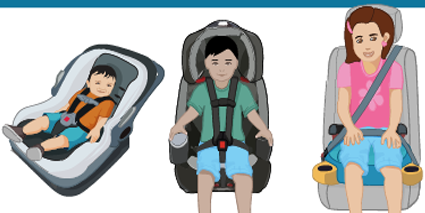
Click below to download a PDF about rearward facing child car seats:
https://childcarseats.org.uk/media/1022/extended-rearward-facing-child-car-seats.pdf

Click below to download a PDF about safer sleeping:
https://www.lancashiresafeguarding.org.uk/media/19201/Booklet-SS.pdf
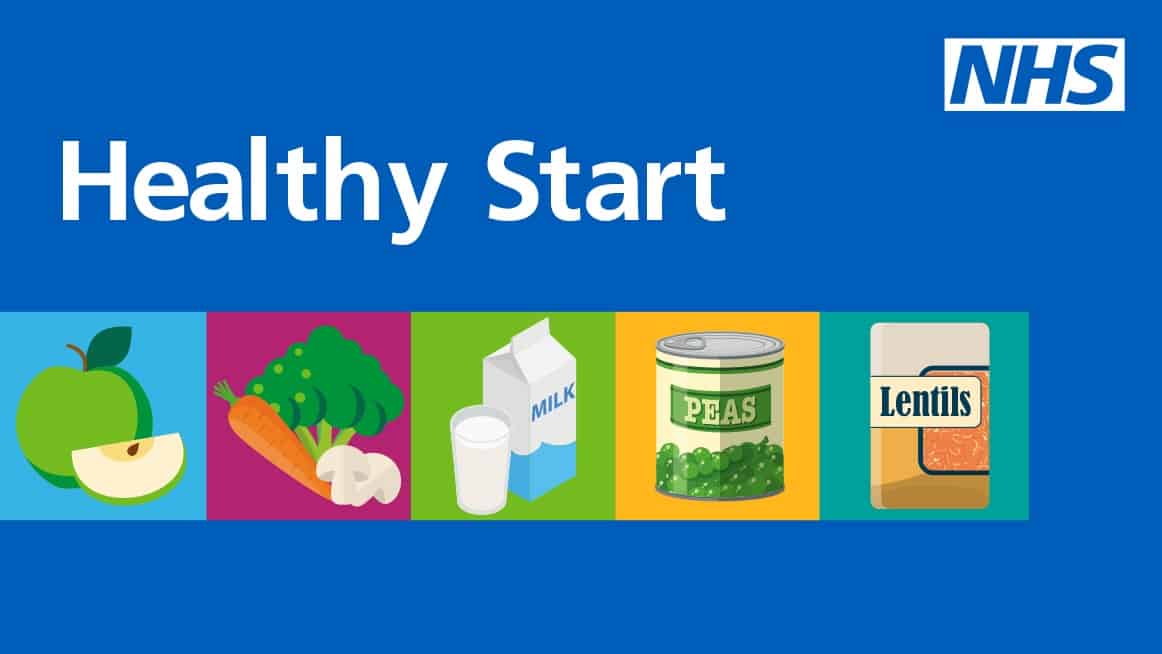
If you’re more than 10 weeks pregnant or have a child under 4, you may be entitled to get help to buy healthy food and milk. If you’re eligible, you’ll be sent a Healthy Start card with money on it that you can use in some UK shops. We’ll add your benefit onto this card every 4 weeks.
Early Years Foundation Stage
Nutrition Guidance
April 2025
Why this guidance is important:
Providing healthy, balanced, and nutritious food ensures that all children:
• Get the right amount of nutrients and energy they need while they are growing rapidly, which is especially important for children who might not have access to healthy food at home. This can help prevent children from becoming overweight or obese.
• Develop positive eating habits early on. Children’s early experiences with food can shape future eating habits. This can impact children’s long-term health including maintaining a healthy weight, and good oral health. The early years are a crucial time to reduce health inequalities and set the foundations for a lifetime of good health.
Foods to avoid
Babies should not eat:
• much salt, as it is not good for their kidneys. Do not add salt to food prepared for babies or cooking water. Stock cubes and gravy shouldn’t be used either
• any sugar. Avoiding sugary snacks and drinks including fruit juice can help prevent tooth decay
• foods that are high in saturated fat, salt and sugar like cakes, puddings, sweet and savoury pastries, biscuits, crisps, chocolate, and other confectionery
• popcorn, raw jelly cubes, or whole nuts, which are all choking hazards
• honey (which should be avoided until 12 months) as it can contain bacteria that can make babies seriously unwell
• cheeses made from unpasteurised milk or mould-ripened soft cheeses, such as brie or camembert, or ripened goat’s milk cheese and soft, blue-veined cheese, such as Roquefort. There’s a higher risk that these cheeses might carry a bacteria called listeria
• raw and lightly cooked eggs (including uncooked cake mixture, homemade ice creams, homemade mayonnaise, or desserts) if you do not see a red lion with the words “British Lion Quality” on the box
• rice drinks as a substitute for breast milk or infant formula as they may contain too much arsenic
• slush ice drinks, sometimes known as slushies, as they may contain too much glycerol
• raw or lightly cooked shellfish, such as mussels, clams, and oysters, which can risk food poisoning.
Here are 9 tips for keeping your costs down while providing healthy, nutritious meals and snacks:
1. Cooking from scratch is a more cost-effective and healthier choice. Use ingredients such as tinned tomatoes, onions, and herbs, instead of pre-packaged cooking sauces.
2. Experiment with making your own fruit yoghurt by blending chopped fresh, stewed, tinned or frozen fruits with plain yoghurt. You could also use up leftover fruit that you might normally throw away. Shop-bought fruit yoghurt can be high in sugar.
3. Frozen or tinned fruits in natural juice and vegetables with no added salt are good alternatives to fresh produce. They minimise waste and can sometimes offer higher nutrient levels.
4. Choosing fruits and vegetables that are in season can make them more affordable – and they will taste their best. Always compare the cost of loose and pre-packed produce. Go to local markets with children for cost-effective options and let children join in with choosing for a fun activity.
5. Growing fruits, vegetables and herbs in pots or bags provides a sustainable source of ingredients for meals or snacks. It is also a great educational activity for children.
6. Batch cooking and freezing portions is a good use of time. This works especially well if you are cooking for smaller groups, for example, if you are a childminder. If you choose to freeze food you need to follow the Food Standard Agency’s food safety guidelines when freezing and defrosting.
7. A slow cooker is ideal for smaller portions, particularly for preparing meals in advance and making the most of value cuts of meat.
8. Meat and fish are expensive proteins. Using pulses such as beans, lentils and peas can help reduce the amount of meat and fish you use. These are also great sources of fibre. Eggs and tinned fish are an affordable alternative to meat and fresh fish.
9. Proper food storage helps extend freshness. Follow best practice food storage, such as keeping apples in the fridge and storing potatoes in a cool, dark place.